
A Heat Recovery Ventilation system can make a major difference in indoor comfort, air freshness, and energy performance. If you are researching ventilation options for a home, office, or commercial property, these common questions can help you better understand how an HRV works and when it may be the right choice.
1. What is an HRV system?
An HRV, or Heat Recovery Ventilator, is a mechanical ventilation system that brings fresh outdoor air into a building while removing stale indoor air. During this exchange, the unit recovers heat from the outgoing air and transfers it to the incoming air. This helps improve ventilation while reducing unnecessary heat loss.
2. How does an HRV system work?
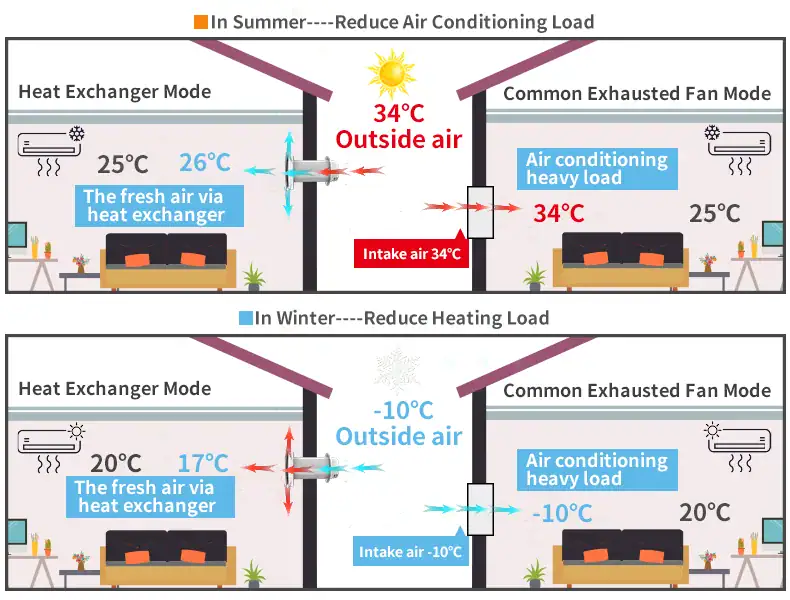
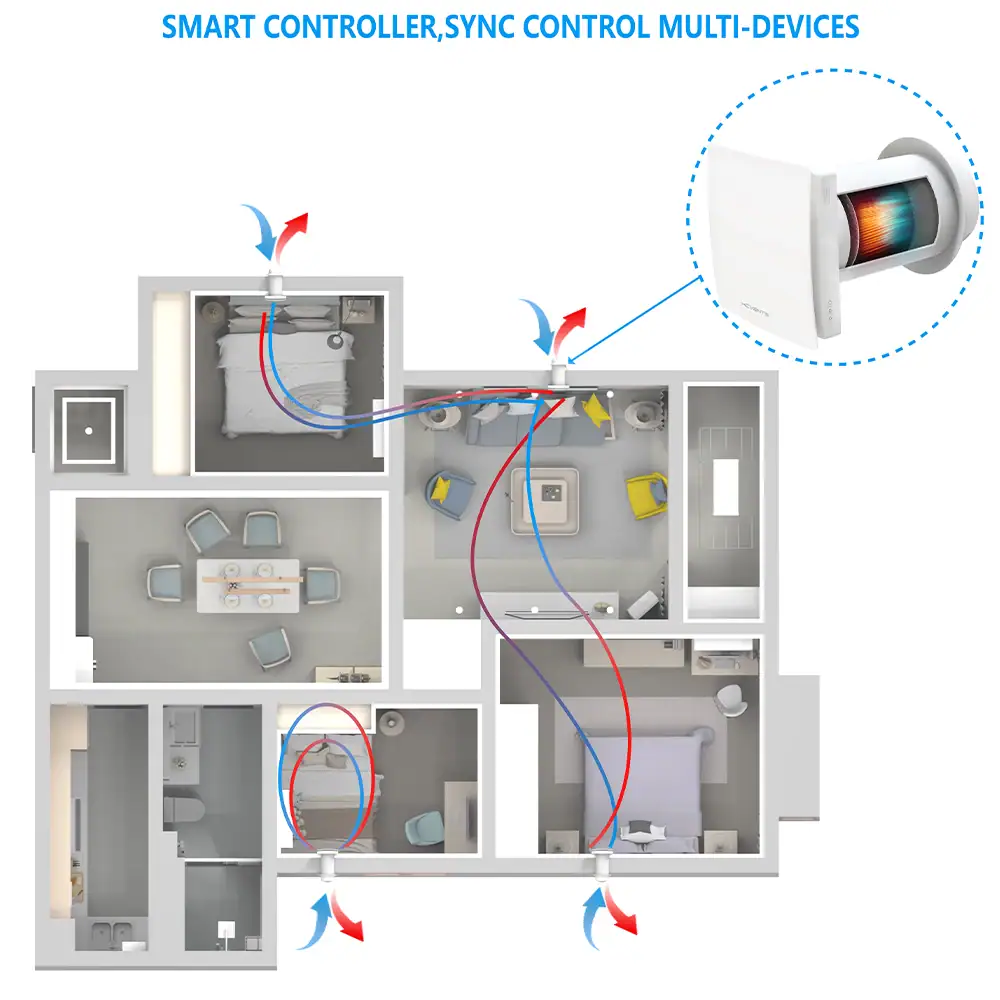
An HRV operates by moving two air streams at the same time. One stream exhausts used indoor air from areas such as bathrooms, kitchens, and laundry rooms. The other draws fresh air in from outside. Inside the heat recovery core, warmth from the outgoing air is transferred to the incoming air without mixing the two airflows. This process helps maintain a more comfortable indoor temperature while supporting continuous fresh air circulation.
3. Does an HRV cool your home?
An HRV is not intended to replace an air conditioner. Its main function is ventilation with heat recovery, not active cooling. In warmer months, it can help remove stale indoor air and bring in fresher outdoor air, which may improve overall comfort. However, for noticeable cooling, a dedicated air conditioning system is still needed.
4. Why is an HRV important for indoor air quality?
Indoor air can contain moisture, odors, dust, and other pollutants that build up over time, especially in tightly sealed buildings. An HRV helps improve indoor air quality by continuously replacing stale indoor air with filtered fresh air from outside. This can help create a healthier and more comfortable indoor environment throughout the year.
5. Can an HRV help with humidity control?
Yes, an HRV can help reduce excess indoor moisture by exhausting humid air and introducing fresh replacement air. This is especially useful in spaces where moisture tends to build up, such as bathrooms, kitchens, and laundry areas. Better ventilation can also help lower the risk of condensation, mold, and mildew.
6. Is an HRV energy efficient?
Yes. One of the main advantages of an HRV system is energy efficiency. Instead of simply exhausting warm indoor air and replacing it with cold outdoor air, the system transfers heat from the outgoing air to the incoming air. This reduces the amount of additional heating required and can help lower energy consumption over time.
7. Where can an HRV system be installed?
HRV systems can be used in a wide range of buildings, including single-family homes, apartments, offices, and light commercial spaces. The right model depends on the size of the building, the layout, and the ventilation demands of the space. Proper system selection is important to achieve the best performance.
8. How often should an HRV be maintained?
Regular maintenance is important for keeping an HRV system operating efficiently. Filters should be checked and cleaned on a routine basis, usually every few months depending on usage and indoor air conditions. The heat exchange core, fans, and duct connections should also be inspected periodically, with a professional service recommended annually.
9. Are there any disadvantages to an HRV?
An HRV offers many benefits, but there are a few practical considerations. Installation requires planning and is usually best handled by a professional. Initial cost may be higher than simpler ventilation options, and performance is generally better in well-insulated and airtight buildings. Choosing the correct unit for the space is also essential for long-term efficiency.
10. Can I install an HRV system myself?
Because HRV systems involve airflow design, duct connections, and proper balancing, professional installation is generally recommended. A qualified installer can ensure the system is sized correctly and operates as intended. This helps protect both performance and energy efficiency.
11. How do I know if an HRV is right for my home?
If your home feels stuffy, has persistent humidity, or lacks consistent fresh air, an HRV may be a good solution. It is especially beneficial in colder climates and in modern airtight homes where natural air leakage is limited. A ventilation assessment can help determine whether an HRV is the right fit for your property.
12. What is the difference between an HRV and an ERV?
Both HRV and ERV systems provide fresh air while recovering energy from exhausted indoor air. The main difference is that an HRV transfers heat, while an ERV transfers both heat and moisture. HRVs are often preferred in colder or drier climates, while ERVs are commonly used in warmer or more humid regions.
Choose the Right Ventilation Solution with KCVents
At KCVents, we provide reliable ventilation solutions designed to improve indoor air quality, comfort, and energy performance. Whether you are comparing HRV systems for residential use or evaluating ventilation options for a larger project, choosing the right system starts with understanding your space and airflow needs.
Explore KCVents HRV solutions to find the right fit for your application.