

In busy commercial spaces, doors open and close all day long. While that is part of normal operations, it also creates a direct path for flying insects, dust, outside air, and unwanted odors to enter the building. For restaurants, retail stores, warehouses, hospitals, and food service areas, this can quickly affect cleanliness, comfort, and energy use.
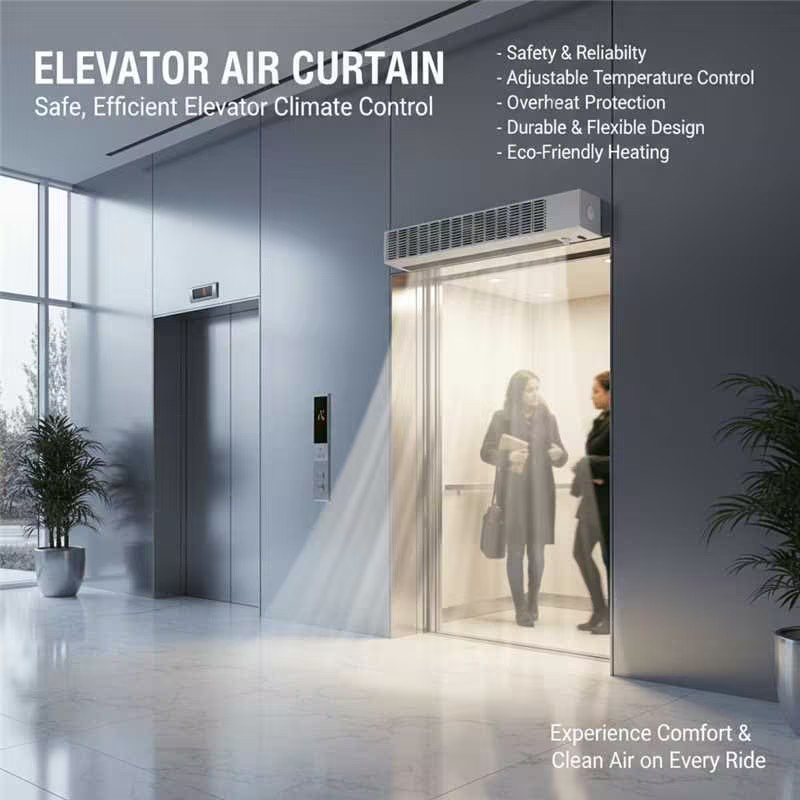
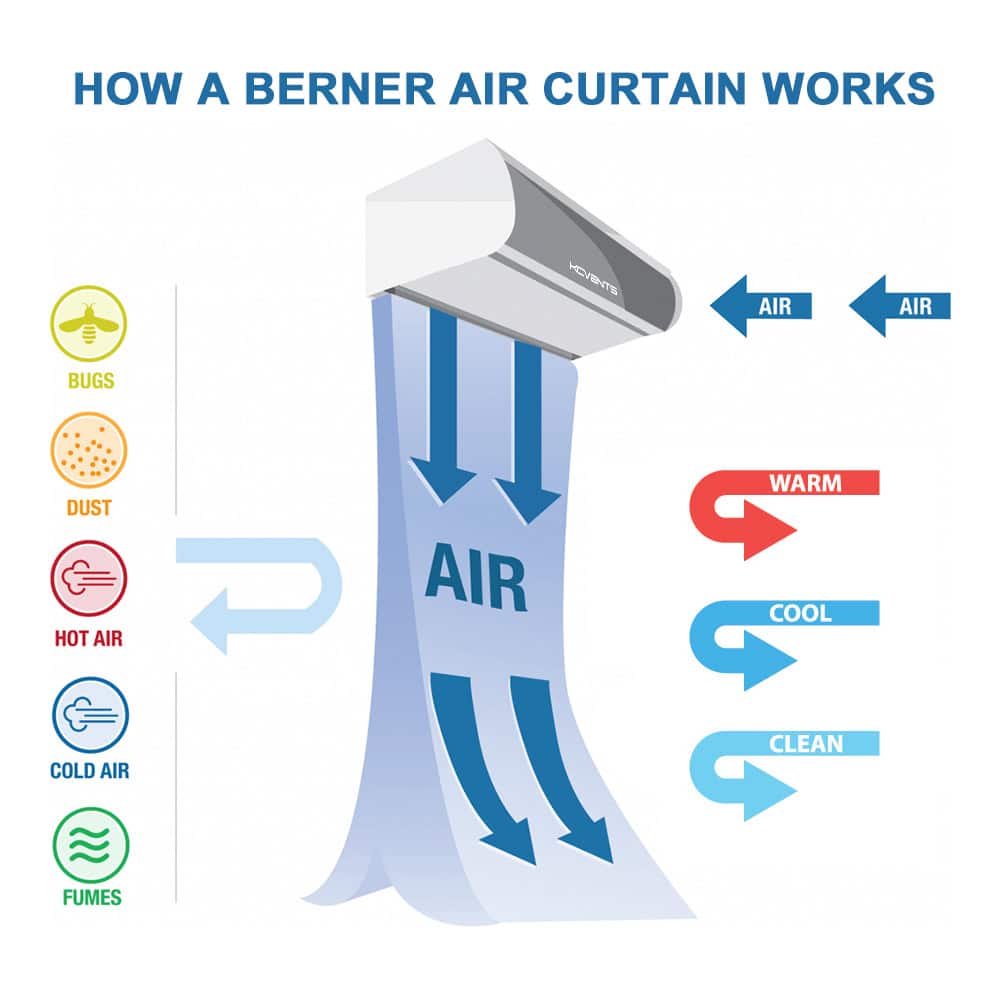
That is where an air curtain becomes a practical solution. Installed above the doorway, an air curtain creates a strong stream of air that flows downward across the entrance. This airflow forms an invisible barrier that helps separate indoor and outdoor environments without blocking people or goods from moving through the doorway.
What Does an Air Curtain Do?
An air curtain is designed to reduce the exchange of air through an open door. Instead of relying on a physical barrier, it uses high-speed airflow to create a protective shield across the opening.
This air barrier can help limit the entry of flying insects, dust, smoke, fumes, and outside hot or cold air. As a result, indoor spaces can stay cleaner and more comfortable, while heating and cooling systems do not have to work as hard to maintain the desired temperature.
Why Air Velocity Matters for Insect Control
When choosing an air curtain for insect control, one of the most important factors is air velocity. A doorway that is taller or used more frequently needs enough airflow strength to maintain a consistent barrier from top to bottom.
If the airflow is too weak, the protective curtain becomes less effective, especially in back doors, receiving areas, loading entrances, and other high-traffic openings. In these environments, stable and powerful air delivery is essential for helping reduce flying insect intrusion.
That is why selecting the right unit should always involve matching the air curtain to the door size, mounting height, and traffic conditions.
Key Features That Improve Daily Performance
A commercial air curtain should do more than simply blow air. Long-term performance depends on reliable internal components, smooth operation, and practical control functions.
Models built with quality motors can offer more stable operation, better durability, and improved thermal protection. Low-noise blower designs are also important, especially for entrances in customer-facing spaces where comfort matters.
Many air curtains also include automatic activation features, such as door switch or magnetic sensor control. This allows the unit to turn on when the door opens and turn off when the door closes. In daily use, this helps reduce unnecessary runtime, lowers manual effort, and supports better energy efficiency.
How Air Curtains Support Energy Savings
Air curtains are often chosen for pest control and cleanliness, but they also offer a clear energy-saving advantage. By reducing the direct exchange of indoor and outdoor air, they help limit the loss of conditioned air at entrances.
During summer, cooled indoor air is less likely to escape. During winter, heated indoor air is better retained. This makes it easier to maintain a stable indoor environment and can reduce the load on HVAC systems over time.
For businesses with doors that open frequently, this added efficiency can contribute to lower operating costs and improved indoor comfort.
Common Commercial Applications
Air curtains are used in a wide range of commercial and industrial settings. They are especially useful in restaurants, cafes, supermarkets, convenience stores, warehouses, factories, hospitals, and food preparation areas.
Any business that needs to keep an entrance open or experiences frequent door activity can benefit from an air curtain. In spaces where hygiene, temperature control, and customer comfort are important, the right unit can make a noticeable difference.
Choosing the Right Air Curtain
The best air curtain is not simply the largest or the most powerful model. It should be selected based on the width and height of the doorway, the frequency of door use, the required air velocity, and the environment where it will operate.
Other factors such as noise level, power consumption, and control options should also be considered. A properly matched air curtain will perform more effectively and deliver better long-term value.
Final Thoughts
Air curtains are a smart addition to commercial entrances where cleanliness, comfort, and efficiency matter. By creating a steady air barrier across the doorway, they help reduce flying insects, dust, outside air, and energy loss without interrupting normal traffic flow.
For businesses looking to improve entrance protection while maintaining a more comfortable indoor environment, an air curtain offers a simple and effective solution.